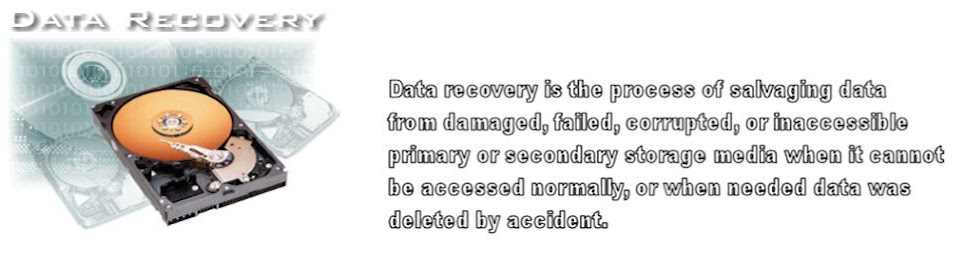
Hard Drive Clicking: What to do?
Overview
Many users have reported a problem with hard drive clicking, sometimes described as a repeating tick tick tick type of ticking sound. The Hitachi Travelstar 5K80 series which shipped with many T series Thinkpads in particular is reported to suffer from this problem. The clicks occur rapidly, and are quiet but noticeable. While in use in a quiet environment the clicks can be relatively loud and very irritating to some users. The clicks seem to happen when the drive is idle and the power has been on for a significant period of time. The clicking is also reported on other vendor's laptop hard drives too and is therefore almost certainly a hard drive related rather than a laptop chassis related.
The clicking sound appears to only occur when the drive is idle. Forcing the drive to be busy silences the ticking while the drive is busy. Launching programs that access the hard drive such as searching or defragmenting the drive helps for a time. Cycling the power on the hard drive such as through a full power off reboot of the system stops the ticking for the moment and has been used as a temporary solution. Also see use of hdparm for another way to reset the drive without a power off reboot.
Others recommend using Hitachi's drive feature tool to increase the acoustic management level, and/or set power management settings.
As a general precaution, a clicking sound coming from your hard drive is a Bad Omen. It could be a harbinger of horrific hardware happenings, so my immediate advice is "BACKUP YOUR HARD DRIVE!" as soon as possible. If the drive fails, you're out of luck. In fact, even if you don't suspect a problem with your hard drive, it's wise to make regular backups so you can survive a hard drive failure with only minimal inconvenience.
Hard Drive Sounds
Data Cent, a well known data recovery firm, has created a useful resource with sounds from hard drives of different manufactures and what these sounds indicate. Comparing the sound you hear from your hard drive with online library, you can get a better understanding what is your next action step, and how urgent it is.
Possible Cause and Speculation
1. 1. Laptop drives (especially Hitachi Hitachi Travelstar 5K80, Hitachi Travelstar 5K100 and SAMSUNG MP0804H) can unload heads very often, and they can produce a noticeable click when doing that. Some ThinkPad BIOSes can be very eager to program the HD Advanced Power Management feature (hdparm -B) even when told to always keep the HD in "Maximum Performance mode" and will do so every time AC state changes, and when coming out of suspend (be it S3 or S4). Unless you reset the HD's APM mode, it will unload its heads eventually thus producing the clicks.
2. 2. Another proposed possible cause is the drive firmware running a low level surface media check periodically during drive idle time. In some cases, hard drive clicking sounds can be resolved by upgrading the hard drive’s firmware. If a model of hard drive is prone to hard drive clicking problems the manufacturer may release an updated firmware code to fix the problem.
To check to see if there has been an updated firmware for your hard drive you should look on the hard drive for the make and model number. This information is normally on a sticker on top of the hard drive. Take a note of these details and then go to your hard drive manufacturers website support/downloads section to see if there has been a new firmware released for your model of hard drive. There should be notes stating what fixes are resolved with each incremental firmware update. You will need to follow the manufacturer’s instructions on how to apply the firmware update to the hard drive.
It is extremely important to get a good backup of any data you may need from the drive before applying any firmware updates. If a problem occurs or power is lost when the firmware is being applied the hard drive may be rendered useless.
3. 3. Click of Death. The click of death normally happens when the hard drive heads cannot tell where the tracks required are on the platter(s). This causes the heads to keep moving until the actuator arm that holds the heads hit a physical stop. The click of death sound that you hear is the sound made when the actuator arm hits the stop. The stop is there to stop the reader heads from leaving the platter(s).
The click of death is normally caused by a fault with the heads and sometimes (although much less often) by a fault on the hard drive circuit board. In both cases the safest option to give the best chance of getting any data from the clicking hard drive is to use a data recovery service. They have the clean rooms and specialist equipment required to take the platters out of the faulty drive and possibly recover the data.
4. 4. In the case of an external hard drive clicking it may be due to a loose connection, faulty cable or a faulty power adapter. To troubleshoot unplug all of the cables and then visually check the cable connections. While still unplugged from any power source or computer connection, plug the cables in and out of their sockets on the external hard drive enclosure to see if any of the connections feel loose. If you find a loose connection, it can often be fixed by using a small screwdriver to re-correct the shape of a male or female connector. Also check the cables for any damage. Low voltage cables coming out of power adapters are often damaged when people wrap the cable tightly around the adapter when packing for storage.
If the connections and cable all appear fine the next thing to check is the power adapter (if your external hard drive has one). If you or a friend has an identical external hard drive enclosure try the power adapter from that to see if it resolves the problem.
The next step if none of the above have fixed your problem is to take the physical hard drive out of the external enclosure and either connect directly internally to a computer or connect to a known good external hard drive enclosure. If the hard drive clicking noise is now gone, then the external enclosure and cables should be replaced. If the hard drive is still making a clicking noise, then the fault is with the hard drive itself and you will need to troubleshoot further.
5. 5. Although pretty uncommon, there have been some graphic card drivers that have been known to cause hard drive clicking noises. These have normally been beta (test) drivers. To eliminate this potential cause, you should try changing your graphics card drivers.
6. 6. Sometimes having a hard drive on a non-level surface can cause clicking sounds. This is more likely to happen with older hard drives. To see if this is the cause of your hard drive clicking noise, you should check the positioning of your hard drive. If your hard drive is inside of a personal computer (PC), you may need to take a panel off the PC case to be able to view the actual hard drive position. If the case is a tower then the panel to remove is normally a side panel, or if the case is a desktop then the panel to remove is normally the top panel. If the hard drive (or the PC case) is sitting on an angle, you should reposition it so that the hard drive is sitting level with the floor and see if that resolves your problem. Note that your computer should be shutdown before changing the hard drive’s position.
7. 7. Some hard drives are more prone to make clicking sounds when the drive is highly fragmented. If you have a hard drive making clicking sounds you could defragment the drive to see if that stops or reduces any clicking noises. If a disk defrag helps then you should defrag your hard drive more often and may even want to look at getting a better third party disk defragmenter.
8. 8. Very often hard drive clicking sounds are directly related to power supply problems. This can be because of a faulty power supply or a power supply that is overloaded.
Some ways to test for and/or resolve HDD clicking noises due to power supply problems are:
a.) Check to see what other devices, if any, are connected to the same power lead from the power supply as the hard drive. If any device(s), especially a graphics card is connected to the same lead then connect the device(s) or hard drive to a different power lead and test.
b.) If your computer has many devices connected to the power supply, you should disconnect as many devices as possible that will still allow the computer to boot and run. You should be able to disconnect CD/DVD drives, floppy drives, any additional hard drives not required to boot, USB devices, modems, internal PCI and PCI express cards. Once you have disconnected what you can, start your computer and check to see if the hard drive clicking noise has gone. If the clicking sound has gone then your power supply is overloaded and you will probably need to purchase a larger power supply unit to provide enough power for all of the devices.
c.) If the hard drive is still clicking after following the above instructions, it could still be an overloaded power supply. If you have access to a higher rated power supply, you should install and test that in your computer.
d.) If you do not have access to a higher rated power supply to test with, you should remove the hard drive from the computer and test it connected to an external hard drive enclosure or connected to another computer. If the hard drive clicking has stopped when connected to an external enclosure or another computer, then you know that the hard drive itself is ok. It may still be a faulty or overloaded power supply, which can be tested as per steps a.), b.) and c.) above, or it may be due to other factors such loose connectors, drivers etc. If it is still making clicking noises when connected to an external enclosure or another computer, then the fault is very likely to be with the hard drive itself and not the power supply. If this is the case then this still may be able to be resolved in other ways so go through the other causes listed on this website to see if any of them apply.
Sources and Additional Information:


 Posts
Posts

